| |
|
|
Organic Spices
Turmeric, Ginger, Garlic, Pepper, Fenugreek, Cardamom, Cinnamon, Cumin, Chili, Nutmeg, Coriander, Mustard, Tamarind, Vanilla, Sesame
|
|
Organic Processed Foods
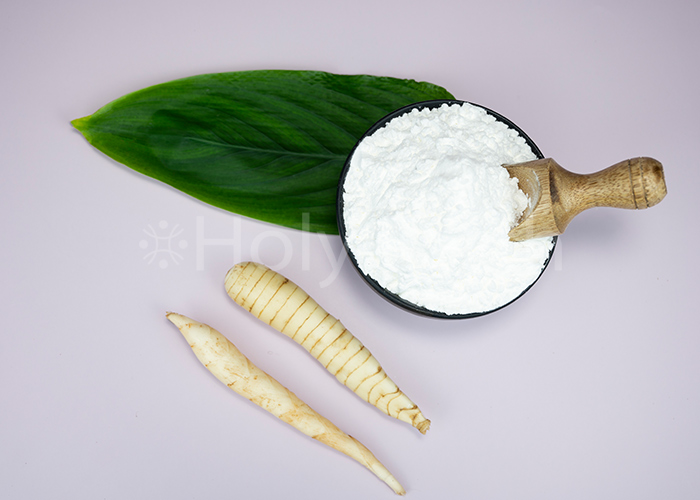
Banana, Coconut, Guava, Mango, Papaya, Tomato, Onion, Honey, Arrowroot, Niger, Maize, Peanut, Rice, Castor, Red gram, Black gram, Sorghum, Cashew
|
|
Organic Herbs
Aloe Vera, Amla, Neem, Basil, Bacopa, Licorice, Chebula, Asparagus, Ashwagandha, Stevia, Coleus, Senna |
|
|
Serious Threats
Predetermined notion and lack of transparency :-
|
|
How can we accept the recommendations on the basis of presumption that genetically modified organisms and biotechnology interventions on life forms need to be promoted ?
This notion completely ignores the wide spread apprehensions and confusions about introducing GM crops, among the general public across the globe. Even with the little public awareness that is there now, the positive and negative side of introducing GMO's are still being debated and we should not allow implementation of this technology till we as human being cannot accept to eat "Genetically Manipulated" food products!!!!
It is highly dangerous to push this technology in a haste displaying a 'First-we can-implement-then-analyze-attitude' the ground reality is that, such an important issue still remains alien to the general public, especially the farmers and the consumers in India and around the world, who are going to bear the effects of introducing genetically modified crops. Civil society, NGO's, media, voluntary organizations and subject matter expects in all sectors directly or indirectly affected by introduction of "Genetically modified organisms" (GMO's). seems to have been kept out of this discussions and decisions.
Ironically, but true, one is reminded of the late 1960's when high yielding and hybrid varieties of crops and intense promotions of chemical fertilizers and pesticides were part of the Goverment5 propaganda in the name of food security. Even then, public opinion was never taken and decisions came from above. The officials and scientists are carrying on this legacy of secrecy and top-down development, continuing their historical resistance to ensure farmers and consumers participation and decision-making. This is quite understandable as we will see later in our coming Topics that the farmers and consumers are never the targeted beneficiaries and the real beneficiaries are the profiting companies of Biotechnological products.
|
Let us examine in details some of the evidence on notions and transparency of the recommendations for introduction of GMO's.

Recommendation says: "GM crops should be fitted into an IPM system (Integrated Pest Management)".

This is intriguing because in the current paradigm of farming, IPM itself is an outdated strategy. Agriculture all over the world has shown clear signs of shifting from the existing chemical system towards a safer and sustainable farming system such as Organic farming. By Drawing IPM as a vehicle to carry GM into the already hapless farmer's field is in a way undermining the very meaning of the type of farming that IPM's attempted to promote. No sensibility would be left of the IPM strategy, if toxic chemicals or GMO's were incorporated in this regime.
Moreover, the world is moving forward into organic agriculture IPM is a poor substitute.
The farming situation in the nation is such that farmers need a sustainable model of farming, where the factors- seed, land, water, manure and time-tested local knowledge, need to be in farmers control and to his advantage. Such a system would ensure not just food security but food safety and farmers wellbeing as well, and the presumption that genetically modified organisms and biotechnology interventions on life forms need to be promoted; fundamentally despoils this goal.
|
|
|
|
|
|