| |
|
|
Organic Spices
Turmeric, Ginger, Garlic, Pepper, Fenugreek, Cardamom, Cinnamon, Cumin, Chili, Nutmeg, Coriander, Mustard, Tamarind, Vanilla, Sesame
|
|
Organic Processed Foods
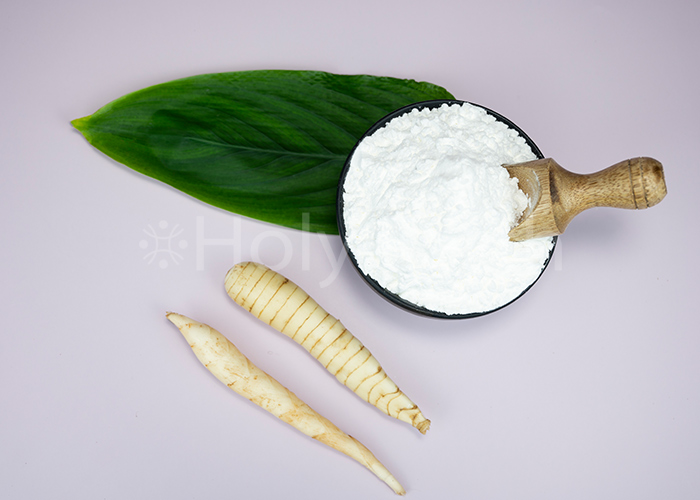
Banana, Coconut, Guava, Mango, Papaya, Tomato, Onion, Honey, Arrowroot, Niger, Maize, Peanut, Rice, Castor, Red gram, Black gram, Sorghum, Cashew
|
|
Organic Herbs
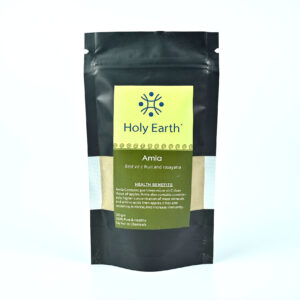
Aloe Vera, Amla, Neem, Basil, Bacopa, Licorice, Chebula, Asparagus, Ashwagandha, Stevia, Coleus, Senna |
|
|
|
|
Soil Fertility : Garlic is a high-value crop. Give it your best ground. Garlic is a heavy feeder. It needs full sun and a full range of available nutrients. If you want recommendations on which nutrients are needed, ask for the recommendations for onions when you send a soil sample to a soil-testing laboratory. A pH of 6.8 to 7.2 is ideal: many nutrients are tied up in soils that are more alkaline or more acidic.

Garlic will grow in almost any well-drained, friable soil-preferably with high organic matter content. High organic matter aids in soil water-holding capacity. Begin soil preparation the year before planting.
Provide additional nitrogen, if needed, through supplemental use of organic fertilizers. Nitrogen can be applied in the fall at planting if a slow-release fertilizer such as soybean meal is used. In general, nitrogen-containing fertilizer should be applied in the spring as soon as the plants begin growing, and every two weeks until the plants have four leaves. It is best not to apply nitrogen when the bulbs are beginning to enlarge, since it will encourage excessive leaf growth and reduce bulb size. Additional information on soil fertility management.
If foliar feeding is used to supply nutrients, it should be done prior to the 4th or 5th leaf stage. A good spreader-sticker should be used to hold the solution on the garlic's waxy leaves.
|
When to Plant : Vernalization from a period of cold is required in order for the mother bulb to split into cloves. Fall-planted garlic grows rapidly when the weather warms in spring. Garlic is day-length sensitive and will bulb in specific areas according to the sun, often near the summer solstice.
|
How to Plant : Garlic is propagated vegetatively from the cloves in each bulb. The size of both the clove and the bulb is an important consideration when selecting planting stock. Grade your garlic for both size and quality. Discard anything that is diseased, small, soft, damaged, or discolored. This is time-consuming, but important.
Crack the bulb into individual cloves. Plant cloves basal plate-side down.
Garlic can also be mulched with clean straw or other organic material immediately after planting. The garlic will have no trouble pushing through an inch or more of mulch. However, mulch will make harvesting by machine difficult or impossible.
Garlic is often planted in raised beds for ease of digging, good soil drainage, and reduction of soil compaction. In-bed spacing of 6 inches by 12 inches is best, except for the variety 'Music,' which requires a spacing of 12 inches by 12 inches to produce the largest bulbs.
|
Irrigation and Labor : One inch of rainfall per week or the equivalent in irrigation is needed for best garlic growth. Drip or trickle irrigation is recommended. Stop irrigating at least 2 weeks prior to harvest.
Labor needs vary seasonally. Planting and harvest are critical times. You should keep this in mind if you are considering expansion of your garlic planting.
|
Pest Management : Onion thrips are probably the most common insect pest that attacks garlic. The nymphs and adults rasp the leaves and other plant tissue to encourage the release of sap, which is then consumed. When damage is severe, the entire plant may wilt and die.
Several species of lady beetles, as well as the minute pirate bug, are predators of onion thrips. Glenister suggests that release of beneficial insects is not the answer, but ensuring natural habitats for them is.
Certain cultural practices can help to reduce the incidence of diseases in garlic. Crop rotations away from other species of alliums and from fields with a history of disease problems are recommended. Sanitation is another important aspect of disease control. If you see anything yellowing or misshapen in the field, it should be removed. Culls and diseased foliage should also be removed from the field after harvest. Purchasing disease-free stock is another way to avoid problems.
|
Weed Control : Good weed control is essential in garlic production. Alliums are poor competitors; weeds can cut garlic yields in half, and lower the quality of the crop. Planted in the fall and harvested in the mid-summer of the next year, garlic will be in the ground nine months. It is therefore vulnerable to competition from winter and summer annual weeds. Weed competition, even early in the growth of the crop, can reduce yields. In addition to reducing yield and quality, weeds also interfere with mechanical harvesting equipment.
Mulching new plantings has already been mentioned as a way to control weeds. If mulch is used, it should be thick enough to last until harvest. However, as noted earlier, if mulch is used, garlic will have to be dug by hand rather than machine harvested.
Soil solarization is a process that uses heat from the sun for controlling many soil-borne plant pathogens, weeds, and nematodes. Basically, when clean-tilled soil is covered with clear plastic for several weeks during the hottest part of the summer, solar heat build-up under the plastic kills many weed seeds and disease-causing organisms.
|
Harvest and Storage : Gauging the right time to harvest is very important. Garlic will double in size during its last month of growth, and if dug too soon, the skins won't have formed around each clove. Hard-neck bulbs, if dug too late, may have begun to spread apart in the soil. Harvests when about six plant leaves are still green.
The garlic still needs to be removed from the field by hand. Field grading should be done immediately to remove any damaged or diseased plants, a standard practice for disease prevention.
Sort garlic into three categories :
Small bulbs.
Medium-sized bulbs are cleaned in preparation for sale. One harvesting debate involves whether or not to wash bulbs. Garlic grown in heavier soils is more difficult to clean.
Large bulbs are saved for your own planting stock. These should not be washed, but hung in a covered barn or shed to dry. Fans may be used to increase air movement in wet years. Before garlic is stored, it must be properly cured or dried. The garlic needs to hang dry for at least 10-14 days to help the neck cells constrict and hold the juice in the bulb. After a couple of weeks they may be clipped off, leaving ¼ to ½ inch of the stem and roots. When the outer skins are dry and crispy, the garlic is ready for storage or sale. It can be stored in clean onion bags.
Stored garlic should be checked monthly. White mold is a post harvest disease that may show up in stored garlic. It is caused by the fungus Penicillium, which will sporulate and spread.
|
|
 |
|
|
|
|
|
|