| |
|
|
Organic Spices
Turmeric, Ginger, Garlic, Pepper, Fenugreek, Cardamom, Cinnamon, Cumin, Chili, Nutmeg, Coriander, Mustard, Tamarind, Vanilla, Sesame
|
|
Organic Processed Foods
Banana, Coconut, Guava, Mango, Papaya, Tomato, Onion, Honey, Arrowroot, Niger, Maize, Peanut, Rice, Castor, Red gram, Black gram, Sorghum, Cashew
|
|
Organic Herbs
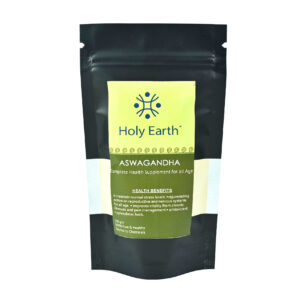
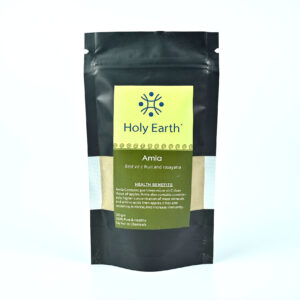
Aloe Vera, Amla, Neem, Basil, Bacopa, Licorice, Chebula, Asparagus, Ashwagandha, Stevia, Coleus, Senna |
|
|
|
|
Organic Ginger's numerous other valuable health benefits :
- Supports healthy digestion, offering 180 times the protein digestive power of papaya.
- Soothes digestion.
- Contains at least 12 anti-aging constituents that inactivate free radicals.
- Supports blood platelet health and cardiovascular function.
- Reduces inflammation.
- Enhances natural resistance for cold and flu.
- Twenty-two known constituents inhibit inflammatory 5-lipoxygenase, supports prostate health. May increase absorption and utilization of other nutrients and herbs by 2 to 2.5 times.
|
History of Ginger :
The current name comes from the Middle English gingivere, but ginger dates back over 3,000 years to India which has a Sanskrit name 'shringavera' meaning as "horn root" with reference to its appearance. Although it was well-known to the ancient Romans, it nearly disappeared in Europe after the fall of the Roman Empire. Then Marco Polo's trip to the Far East, brought ginger came back into favor in Europe, becoming not only a much-coveted spice, but also a very expensive one. Queen Elizabeth I of England is credited with the invention of the gingerbread man, which became a popular Christmas treat.
Ginger has the same family as turmeric and cardamom is native to Southern Asia and has long been a staple addition to Asian cuisines. It is quite popular in the Caribbean Islands, where it grows wild in lush tropical settings.
Traditional Ayurvedic Medicine has recommended ginger for many gastrointestinal and blood diseases. It is used for abdominal bloating, coughing, vomiting, diarrhea, and for the treatment of inflammatory joint diseases, such as arthritis and rheumatism.
|
Nutritional Value of Ginger :
| Amount per Serving |
|
| Calories 18 |
Calories from Fat 3 |
| |
% Daily Value |
| Total Fat 0gm |
Nill |
| Saturated Fat 0g |
1% |
| Cholesterol 0mg |
0% |
| Sodium 2mg |
0% |
| Total Carbohydrate 4g |
1% |
| Dietary Fiber 1g |
3% |
| Sugar 0g |
Nil |
| Protein 1g |
Nil |
| Vitamin A |
0% |
| Vitamin C |
1% |
| Calcium |
1% |
| Iron |
3% |
This food is very low in Cholesterol and Sodium. It is also a good source of Dietary Fiber, Vitamin E, Vitamin B6, Iron, Magnesium, Potassium and Selenium, and a very good source of Manganese.
|
 |
|
|
|
|
|
|