| |
|
|
Organic Spices
Turmeric, Ginger, Garlic, Pepper, Fenugreek, Cardamom, Cinnamon, Cumin, Chili, Nutmeg, Coriander, Mustard, Tamarind, Vanilla, Sesame
|
|
Organic Processed Foods
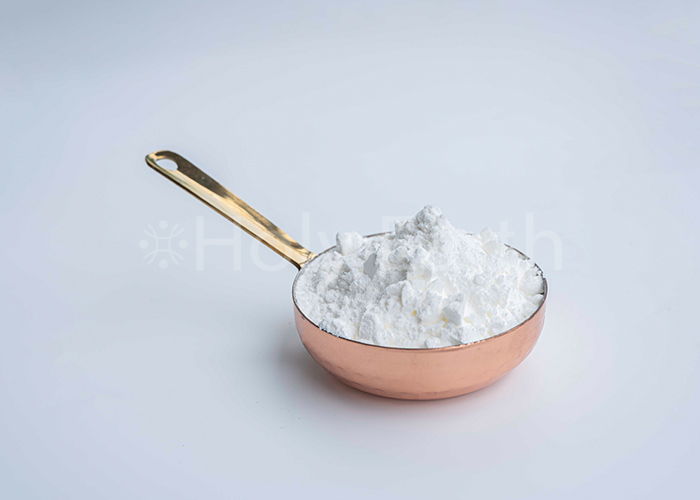
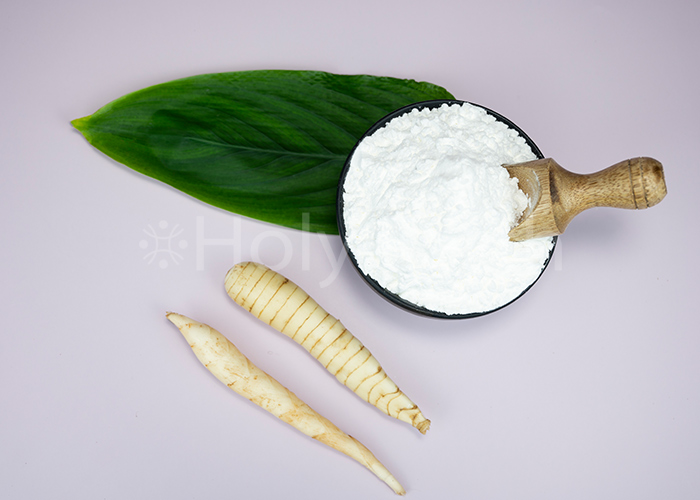
Banana, Coconut, Guava, Mango, Papaya, Tomato, Onion, Honey, Arrowroot, Niger, Maize, Peanut, Rice, Castor, Red gram, Black gram, Sorghum, Cashew
|
|
Organic Herbs
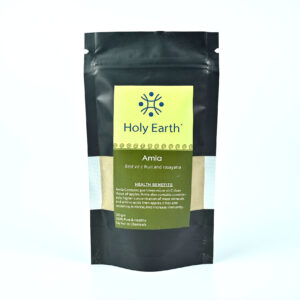
Aloe Vera, Amla, Neem, Basil, Bacopa, Licorice, Chebula, Asparagus, Ashwagandha, Stevia, Coleus, Senna |
|
|
|
|
Harvesting :
When honey is mature, i.e. the water content is about 20%, bees seal honey cells with a wax covering. This sign is checked before the combs are separated for extraction. When honey is removed immaturely; the extracted honey is thin as it contains more water.
Extraction :
Different Types of honey extractors are used for honey harvest. The common type is the radial honey extractor. For a small time collector a 2-4 frame extractor is adequate. Extractors with larger capacity are needed for commercial extraction purpose.
Storage :
Honey is collected and retained in Glass bottles of 1 kilogram capacity. Honey is almost always stored at room temperature in available space in the house.
Honey is a natural product and it is therefore affected by temperature. It is important to note that as temperature becomes hotter the honey becomes softer and as the temperature becomes colder the honey becomes harder. The honey also becomes softer as it matures.
Honey Storage Tips.....
- Store honey at room temperature, never refrigerate.
- If honey crystallizes, remove lid and place jar in warm water and stir until the crystals dissolve. Refrigeration speeds up crystallization.
- Keep in a well sealed container. Honey can draw moisture (and dust!) from the air.
- If honey crystallizes, place the container in warm water.
- Be careful never to heat the honey directly or boil it or scorch the honey.
|
 |
|
|
|
|
|
|