| |
|
|
Organic Spices
Turmeric, Ginger, Garlic, Pepper, Fenugreek, Cardamom, Cinnamon, Cumin, Chili, Nutmeg, Coriander, Mustard, Tamarind, Vanilla, Sesame
|
|
Organic Processed Foods
Banana, Coconut, Guava, Mango, Papaya, Tomato, Onion, Honey, Arrowroot, Niger, Maize, Peanut, Rice, Castor, Red gram, Black gram, Sorghum, Cashew
|
|
Organic Herbs
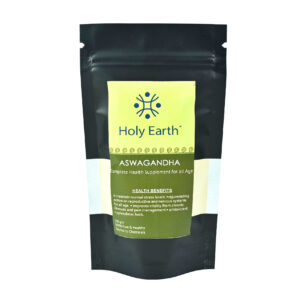
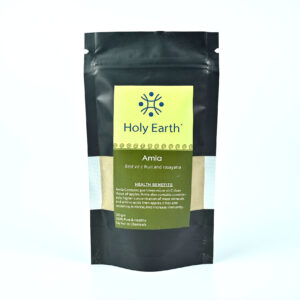
Aloe Vera, Amla, Neem, Basil, Bacopa, Licorice, Chebula, Asparagus, Ashwagandha, Stevia, Coleus, Senna |
|
|
|
|
Traditional Uses of Honey :
The usage of honey as a medicine is referred to in the most ancient written records. Honey was prescribed by the physicians of many ancient races of people for a wide variety of ailments. The ancient Egyptians, Assyrians, Chinese, Greeks and Romans all used honey, in combination with other herbs and on its own, to treat wounds and diseases of the gut. The Muslim prophet Mohammed recommended the use of honey for the treatment of diarrhea. Aristotle (350 BC) wrote of honey being a salve for wounds and sore eyes.
The usage of honey as a medicine has continued into present-day folk-medicine. In India lotus honey is said to be a panacea for eye diseases. The ancient usage of honey for coughs and sore throats has also continued into the traditional medicine of modern times. Other examples of current day usage of honey as a traditional therapy for infected leg ulcers in India; as a traditional therapy for earache in Nigeria; as a traditional therapy in Mali for the topical treatment of measles, and in the eyes in measles to prevent corneal scarring. Honey also has a traditional folklore usage for the treatment of gastric ulcers.
Benefit to the people :
Honey's organic origin and advanced filtering process heighten the quality and strength of the enzymes which aid healing by fighting infection; to provide maximum effectiveness.
Honey is a tasty and versatile daily supply of dietary essentials.
Honey is free of unnecessary herbicides, pesticides, fertilizers, bee antibiotics and other substances that can harm your health.
Honey is an immediate source of energy for busy people.
- Honey is free of preservatives, colorings and fat.
|
Product Benefits :
Benefits to the digestive apparatus
Benefits to the respiratory system
In temperate climates and places with considerable temperature fluctuations, honey is a well known remedy for colds and mouth, throat or bronchial irritations and infections. The benefits, apart from antibacterial effects, are assumed to relate to the soothing and relaxing effect of fructose.
Benefits to skin and wound healing
Honey is used in moisturizing and nourishing cosmetic creams, but also in pharmaceutical preparations applied directly on open wounds, sores, bed sores, ulcers, varicose ulcers and burns. It helps against infections, promotes tissue regeneration, and reduces scarring also in its pure, unprocessed form. If applied immediately, honey reduces blistering of burns and speeds regeneration of new tissue. Many case histories are reported in the literature for human as well as veterinary medicine (sores, open wounds and teat lesions in cows).
Benefit to eye disorders
Clinical cases or traditional claims that honey reduces and cures eye cataracts, cures conjunctivitis and various afflictions of the cornea if applied directly into the eye are known from Europe, Asia, and Central America. There are also case histories of ceratitis rosacea and corneal ulcers, healed with pure honey or a 3 % sulphidine ointment in which Vaseline was replaced by honey.
Diabetes
Frequently, claims are voiced that honey is good for diabetics. This is unlikely to find confirmation because of its high sugar content. However, it is better than products made with cane sugar. It revealed that insulin levels were lower when compared to the uptake of equal caloric values of other foods, but blood sugar level was equal or higher than in the other compared products shortly after eating. In healthy individuals, the consumption of honey produced lower blood sugar readings than the consumption of the same quantity of sucrose.
Other benefits
Honey is said to normalize kidney function, reduce fevers and help insomnia. It is also supposed to help recovery from alcohol intoxication and protect the liver; effects also ascribed to fructose syrups. Heart, circulation and liver ailments and convalescent patients in general improved after injection with solutions of 20 and 40% honey in water.
|
Nutrition Facts of Honey:
| Nutrient |
Unit |
Average amount in 100 g honey |
| Energy equivalent |
kcal |
304 |
| Vitamins |
|
|
| A |
I.U. |
- |
| B1 (Thiamin) |
mg. |
0.004 - 0.006 |
| B2 (Riboflavin) |
mg. |
0.002- 0.06 |
| Nicotinic acid (niacin) |
mg. |
0.11.- 0.36 |
| B6 (Pyridoxine) |
mg. |
0.008 - 0.32 |
| Pantothenic acid |
mg. |
0.02 - 0.11 |
| Bc (Folic acid) |
mg. |
- |
| B12 (Cyanocobaltamine) |
mg. |
- |
| C (Ascorbic acid) |
mg. |
2.2 - 2.4 |
| D |
mg. |
- |
| E (Tocopherol) |
I.U. |
- |
| H (Biotin) |
I.U. |
- |
| Minerals |
mg. |
|
| Calcium |
mg. |
4 - 30 |
| Chlorine |
mg. |
2 - 20 |
| Chlorine |
mg. |
2 - 20 |
| Copper |
mg. |
0.01 - 0.1 |
| Iodine |
mg. |
- |
| Iron |
mg. |
1. - 3.4 |
| Magnesium |
mg. |
0.7 - 13 |
| Phosphorous |
mg. |
2 - 60 |
| Potassium |
mg. |
10 - 470 |
| Sodium |
mg. |
0.6 - 40 |
| Zinc |
mg. |
0.2 0.5 |
|
 |
|
|
|
|
|
|